
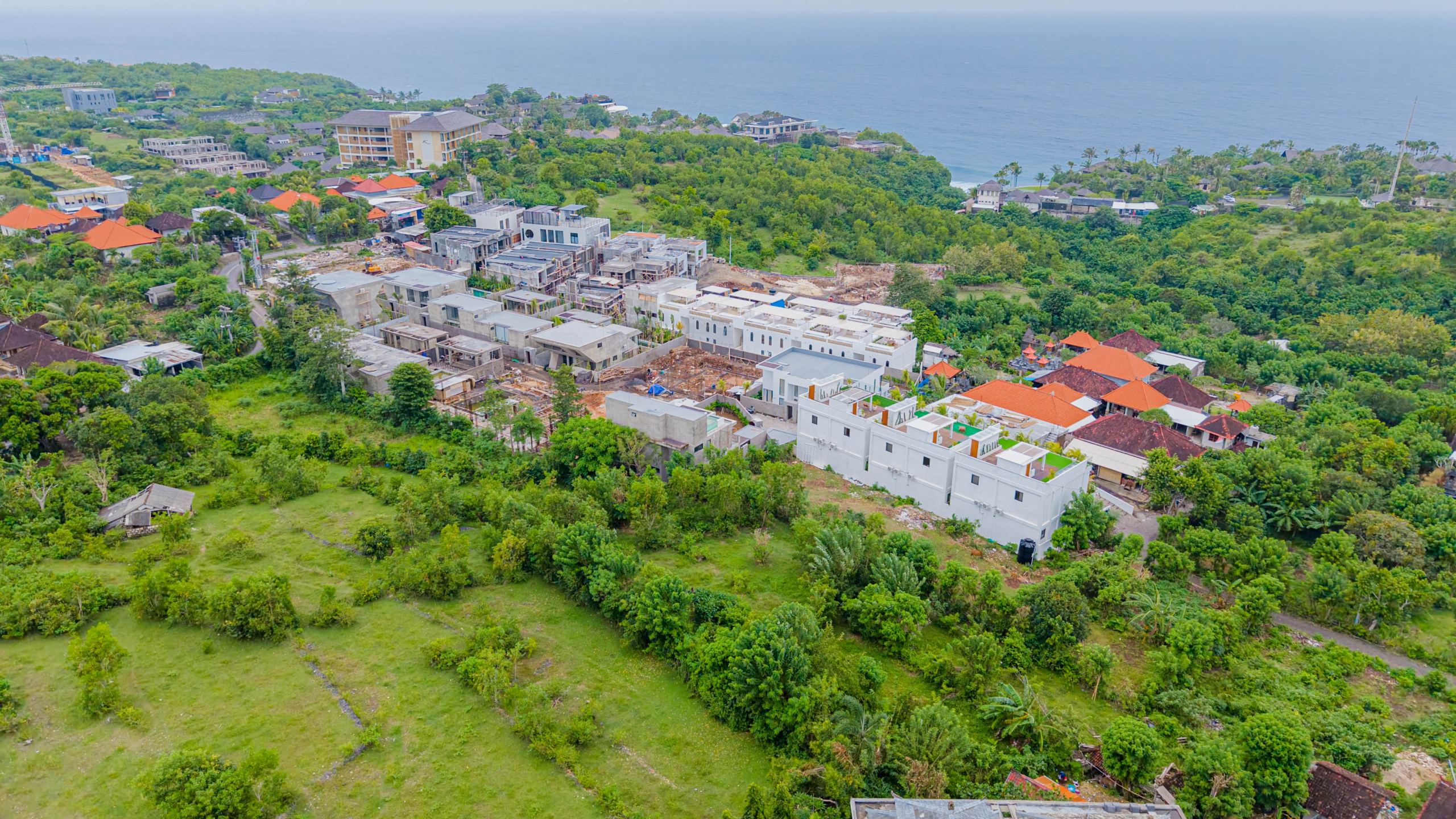
Thinking about investing in Bali real estate? One of the first decisions you'll face is choosing between leasehold and freehold ownership. Understanding the differences is essential, especially for foreign investors, because each ownership structure offers unique advantages, limitations, and investment potential.
In this guide, we'll explain how leasehold and freehold work in Indonesia, compare their pros and cons, and help you determine which option best suits your investment goals.
What Is Leasehold Property in Bali?
Leasehold property gives the buyer the right to use and occupy a property for a fixed period under a legally binding agreement with the landowner.
In Bali, leasehold terms commonly range from 25 to 30 years, with many agreements including options or guaranteed rights to extend the lease.
Although you do not own the land itself, you have exclusive rights to use, rent, renovate (subject to agreement), or generate income from the property during the lease period.
Leasehold remains the most popular ownership structure for foreign investors because it offers a lower entry cost while providing excellent rental income opportunities.
Advantages of Leasehold
- Lower purchase price than freehold
- Popular choice for foreign investors
- Higher potential rental yield due to lower capital investment
- Suitable for holiday rental businesses
- Easier access to premium tourism locations
- Lower initial investment risk
Considerations
- Ownership is limited by the lease period.
- Future value depends on the remaining lease term.
- Lease extensions should be negotiated before the agreement expires.
- Financing options may be more limited than freehold.
What Is Freehold Property?
Freehold ownership provides permanent ownership rights over the land and buildings.
For Indonesian citizens, freehold (Hak Milik) represents the strongest form of land ownership available.
However, foreign individuals cannot directly own freehold land in Indonesia. Investors typically access property through alternative legal structures, depending on their circumstances and investment objectives.
Because of this legal framework, many international buyers choose leasehold properties or seek professional legal advice before investing.
Leasehold vs Freehold: Key Differences
| Feature | Leasehold | Freehold |
|---|---|---|
| Ownership Duration | typically 25–30 years | Permanent |
| Land Ownership | No | Yes (Indonesian citizens only under Hak Milik) |
| Initial Investment | Lower | Higher |
| Rental Income | Excellent | Excellent |
| Capital Appreciation | Moderate to High | High |
| Suitable for Foreign Investors | Yes | Requires appropriate legal structure |
| Flexibility | High | High |
| Exit Strategy | Sell remaining lease | Sell full ownership rights |
Which Option Generates Better ROI?
There is no universal answer because investment returns depend on your strategy.
Leasehold May Be Better If You:
- Want a lower initial investment
- Focus on short-term rental income
- Plan to own the property for 10–20 years
- Prefer maximizing return on invested capital
- Are buying your first investment property in Bali
Since leasehold properties generally cost less, many investors achieve attractive rental yields with a smaller upfront investment.
Freehold May Be Better If You:
- Have a long-term investment horizon
- Prioritize capital appreciation
- Intend to pass the property to future generations (where legally applicable)
- Want long-term control over the asset
- Have access to an appropriate legal ownership structure
Is Leasehold Safe in Bali?
Yes, provided the transaction is handled correctly.
A secure leasehold investment should include:
- A professionally drafted lease agreement
- Clear land ownership verification
- Proper due diligence
- Transparent extension clauses
- Review by an experienced property lawyer or notary
- Compliance with Indonesian regulations
Working with reputable real estate professionals significantly reduces legal risks.
Common Misconceptions
"Leasehold means I don't own anything."
Not true.
You own the legal right to use and benefit from the property for the agreed lease term, and that right often has market value that can be sold or transferred according to the agreement.
"Freehold always makes more money."
Not necessarily.
A higher purchase price means freehold investments require more capital. In many cases, leasehold properties can produce a higher return on investment because of the lower acquisition cost.
"Foreigners cannot invest in Bali property."
False.
Foreign investors can legally invest in Bali real estate using ownership structures that comply with Indonesian law. Choosing the right structure depends on your objectives and should be discussed with qualified legal professionals.
Factors to Consider Before Choosing
Before deciding between leasehold and freehold, ask yourself:
- What is your investment budget?
- Are you investing for rental income or long-term appreciation?
- How long do you plan to hold the property?
- Will you use the villa personally?
- Do you plan to resell the property?
- Do you understand the legal requirements?
Your answers will help determine which ownership model aligns with your goals.
Final Thoughts
Both leasehold and freehold can be excellent investment options in Bali.
For many foreign investors, leasehold offers the best balance of affordability, flexibility, and rental income potential, making it the preferred choice for holiday rental investments.
Freehold, meanwhile, may be attractive for investors with long-term strategies and access to suitable legal ownership structures.
Rather than asking which ownership type is universally better, the more important question is:
Which ownership structure best supports your investment goals?
Making an informed decision today can help maximize both your returns and your peace of mind in the years ahead.
Frequently Asked Questions (FAQ)
Can foreigners buy freehold property in Bali?
Foreign individuals cannot directly own freehold land under Hak Milik. However, there are legal ownership structures available depending on the investor's circumstances. Professional legal advice is strongly recommended.
Is leasehold a good investment?
Yes. Leasehold is widely used by foreign investors because it offers lower acquisition costs and strong rental income potential.
Can I sell a leasehold property before the lease expires?
In many cases, yes. Subject to the lease agreement and applicable regulations, the remaining lease term can often be transferred to a new buyer.
Which ownership type is more profitable?
Profitability depends on factors such as purchase price, rental income, operating costs, market appreciation, and your investment strategy.


Join The Discussion