
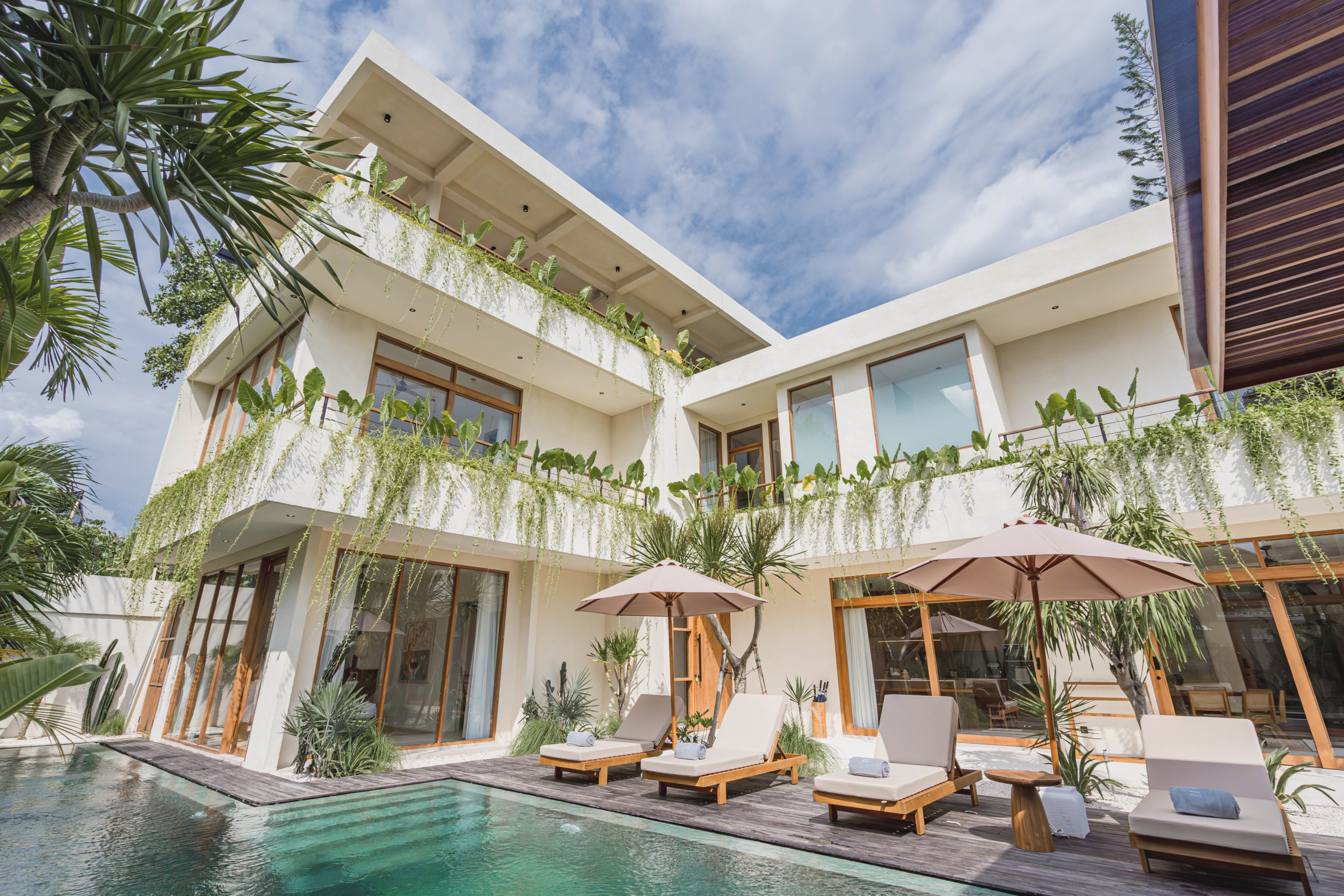
Investing in Bali real estate has shifted from purely speculative buying to a mature, high-yield asset strategy. Driven by steady international tourism, a thriving digital nomad ecosystem, and a expanding long-stay culture, Bali property remains one of Southeast Asia’s most lucrative markets.
Whether you are looking to purchase your first short-term vacation rental or build a multi-unit investment portfolio, understanding Return on Investment (ROI) in Bali is crucial to making an informed decision.
What Is a Good ROI for Property in Bali?
In mature Western markets, real estate investors often see gross rental yields between 3% and 6%. By contrast, well-managed Bali investment properties consistently generate strong cash flows:
- Gross Rental Yield: 10% to 18% annually in prime tourism corridors.
- Net Rental Yield: 8% to 12% after accounting for management fees, taxes, maintenance, and operational overhead.
- Capital Appreciation: 7% to 15% per year, depending on location and infrastructure developments.
Combining rental yields with property appreciation gives Bali investors average total returns ranging from 15% to 25%+ per year.
How to Calculate Net Property ROI in Bali
To gauge true profitability, investors must distinguish between Gross ROI and Net ROI. Gross yield only measures annual rental income against the purchase price, whereas Net ROI factors in the actual operating costs of running a villa in Indonesia.
The Net ROI Formula
Net ROI = Annual Rental Income – Annual Operating Expenses – Total Property Investment Cost
Key Expenses to Subtract for Net Yield:
- Property Management Fees: Typically 12–20% of gross revenue for full-service short-term rental management.
- OTA Commission Fees: 3–15% for platforms like Airbnb or Booking.com.
- Local Taxes: Income tax (PP 34/2017 imposes a 10% final tax on gross rental income) and local property tax (PBB).
- Maintenance & Utilities: Electricity, high-speed fiber internet, pool service, gardening, and routine repairs.
High-Performing Locations vs. Yield Expectations
Location is the single biggest factor determining occupancy, nightly rates, and capital growth. Here is how Bali’s top micro-markets compare:
| Region | Primary Demographic | Average Gross Yield | Market Highlights |
| Canggu & Berawa | Digital nomads, surfers, lifestyle travelers | 12% – 18% | Highest year-round occupancy, premium nightly rates, deep rental demand. |
| Uluwatu & Bingin | High-end tourists, surf enthusiasts | 10% – 16% | Ocean view premium, rapid land appreciation, emerging luxury developments. |
| Ubud | Wellness, cultural travelers, long-term stays | 10% – 15% | Consistent year-round demand, lower operating costs, low volatility. |
| Seminyak | High-spend tourists, family travelers | 10% – 14% | Established market, proven rental history, highest exit liquidity. |
| Pererenan & Seseh | Modern expats, boutique villa seekers | 9% – 15% | Emerging expansion zone, strong capital appreciation upside. |
Key Strategies to Maximize Your Property ROI in Bali
1. Buy in Tourism-Compliant Zoning (Pink Zone)
To legally operate a short-term rental (Airbnb or holiday home) in Bali, your property must be located in a Pink Zone (Pariwisata / Tourism Zone). Properties in Yellow or Green zones face strict enforcement, limiting your rental strategy to lower-yielding long-term leases.
2. Choose Leasehold with Clear Extension Rights
Most foreign buyers invest via Leasehold (Hak Sewa) structures, typically with 25–30 year initial terms. Negotiating explicit, pre-priced extension rights upfront protects your exit value and ensures long-term ROI continuity.
3. Leverage Professional Property Management
Data shows that professionally managed villas achieve 15% to 25% higher occupancy and command superior average daily rates (ADR) compared to self-managed properties. Professional revenue management and dynamic pricing directly boost your net bottom line.
4. Focus on Turnkey and Quality Construction
High-quality builds with tropical-modern architecture hold their value longer and require far less unexpected maintenance. Investing in durable materials prevents costly downtime during peak rental seasons.
Frequently Asked Questions (FAQ)
How long does it take to break even on a Bali villa?
With a net ROI of 10% to 12%, most well-located short-term rental villas achieve full payback within 6 to 8 years, while providing personal vacation use for the owner.
Can foreigners legally earn rental income in Bali?
Yes. Foreigners can legally purchase properties through Leasehold (Hak Sewa) or set up a foreign-owned enterprise (PT PMA) with Hak Pakai (Right to Use) or Hak Guna Bangunan (Right to Build) titles to manage rental revenues legally and compliantly.
Start Your Bali Property Search
Ready to explore high-yield property options across Canggu, Uluwatu, Ubud, and beyond? Contact our expert real estate team today or browse our latest market listings to discover turnkey villas with proven ROI performance!


Join The Discussion